

How Does Assisted Living Support Social Well-being?
Assisted living communities play a key role in fostering social connections, giving residents daily moments of interaction, shared experiences, and opportunities to build friendships. In Camp Hill, PA, these benefits are especially significant due to the area’s close-knit neighborhoods and seasonal patterns that can sometimes limit independent social activities.
For older adults or those with mobility challenges, social circles can shrink over time. Assisted living helps reverse this trend by structuring settings that make connection easy, meaningful, and convenient.
What Types of Social Activities Are Common?
Most assisted living homes in the city offer a diverse range of activities tailored to the interests and abilities of residents. These events often include:
- Arts and crafts sessions for sharing creativity
- Fitness or movement classes adapted to varying abilities
- Seasonal celebrations, such as winter holiday events or summer picnics
- Group games, trivia, and puzzles that encourage teamwork
- Reading groups and story-sharing circles
- Weekly spiritual services or meditation gatherings
These programs are designed for accessibility, so even individuals with physical limitations or memory issues can participate comfortably.
How Does Community Design Encourage Connection?
Physical layout plays a subtle but important role in helping residents stay socially engaged. Assisted living buildings typically include spacious common areas, cozy lounges, and well-lit walking paths. In a place like Camp Hill, where winter weather and icy conditions can restrict outdoor activity, these indoor spaces become vital for keeping spirits high.
Nearby parks or patios may also be available for use in milder months, enhancing the sense of belonging and making it easier for residents to meet informally.
Are Social Opportunities Optional?
Participation in social activities is always voluntary. Residents choose what interests them and how often they wish to join in. For some, the group mealtime in a central dining room may be enough social interaction, while others seek out daily events and clubs.
This flexibility is important for respecting individual comfort levels, personal routines, and preferences for solitude versus togetherness.
Can Residents Maintain Relationships Outside the Community?
Staying in touch with family and friends is encouraged. Many facilities make it easy for loved ones to visit by providing inviting gathering areas and accommodating local weather challenges, such as heated lobbies or flexible visiting hours during periods of heavy rain or snow.
Technology access—such as Wi-Fi and shared tablets—also helps residents connect with out-of-town relatives via video calls. This is particularly valuable during times when travel is more difficult, such as winter months in central Pennsylvania.
What If Someone Feels Lonely or Struggles to Connect?
Feelings of loneliness can still occur, especially when adjusting to a new environment. However, staff are trained to notice signs of withdrawal and can help facilitate introductions, suggest new activities, or pair residents with similar interests.
Some places also offer peer mentorship, where longer-term residents offer support to newcomers, and regular check-ins by team members help ensure no one feels left out.
How Does Assisted Living Support Mental Health Through Socialization?
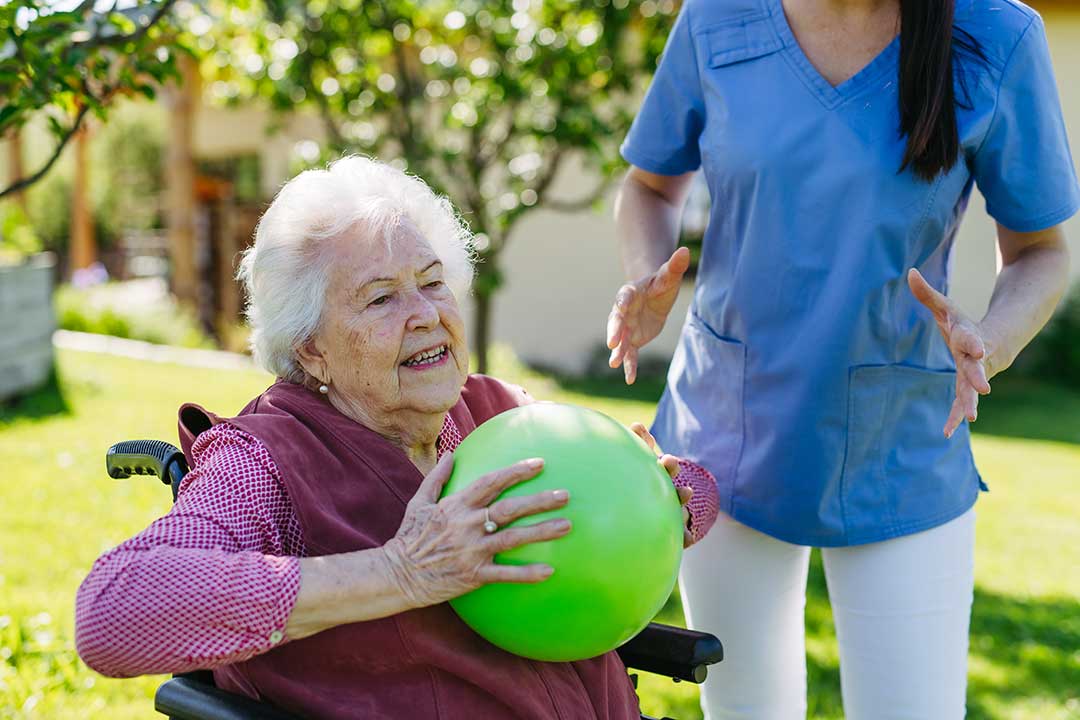
Regular social interaction is closely linked with improved mood, sharper thinking, and reduced risk of depression. In Camp Hill, where shorter days in winter can contribute to isolation, having access to group activities and supportive relationships is especially beneficial for mental health.
Sharing meals, participating in structured activities, and simply having neighbors close at hand all combine to enhance residents' sense of belonging and purpose.
What Role Does the Camp Hill Community Play in Connection?
The broader community remains an important part of residents’ social lives. In Camp Hill, local libraries, faith groups, and public parks often collaborate with assisted living settings to provide intergenerational events, educational workshops, or wellness programs.
These bridges between assisted living and the surrounding community help residents feel included and connected, even after moving out of their previous homes.
Are There Misconceptions About Social Life in Assisted Living?
A common misconception is that assisted living is isolating, but the experience is often the opposite. While privacy and autonomy are respected, the environment is intentionally designed to encourage positive interactions—not just among residents, but with staff, volunteers, and local organizations as well.
Another misconception is that only large group events matter, when in fact, many smaller gatherings—like two people having coffee in a lounge—can be just as meaningful.
How Can Family Members Support Social Connections?
Families can play a supportive role by:
- Encouraging participation in activities that fit their loved one’s interests
- Attending community events open to visitors
- Making use of communal spaces for visits or celebrations
- Reminding their loved one that building new friendships can take time
Ongoing family involvement is a key ingredient in helping residents feel both independent and connected within their new home.
