
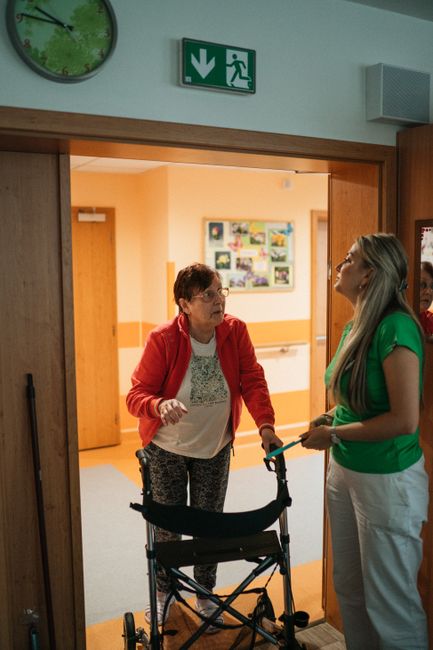
Assisted living safety is more than locked doors and emergency call buttons. A well-designed community combines safe building features, trained staff, clear emergency procedures, medication safeguards, and support plans that reflect each resident’s abilities.
For families in Camp Hill, PA, the most useful question is not simply whether a residence is “safe.” It is whether the community has practical systems for preventing falls, responding to emergencies, protecting residents’ rights, and adapting care as needs change.
What safety features should an assisted living community have?
An assisted living residence should provide safety features that support daily independence while offering help when a resident needs it. The most important safeguards usually fall into several connected areas:
- Emergency response systems
- Fire and evacuation protection
- Fall prevention and mobility support
- Medication management
- Staff training and supervision
- Infection control and sanitation
- Security and protection from abuse or exploitation
- Emergency preparedness for utility outages and severe weather
No single feature can prevent every problem. Safety depends on how consistently the systems are maintained and how well they match the individual resident.
How do emergency call systems protect residents?
Emergency call systems allow a resident to request help from a room, bathroom, common area, or outdoor space. These systems may include wall-mounted buttons, pull cords, wearable pendants, or voice-activated devices.
Residents and families should ask:
- Is help available 24 hours a day?
- Where are call devices located?
- Can a resident reach the device after a fall?
- What happens when a call is placed?
- Is the system tested regularly?
- Can staff identify the exact location of the resident?
- What backup process is used during a power or communication outage?
A call button is only useful if it can be reached and if staff respond promptly. Bathroom placement deserves special attention because falls are common in wet areas, and a resident may not be able to stand after an accident.
Some communities also use motion sensors, door alerts, or wearable technology. These tools may be helpful for residents at risk of wandering or nighttime falls, but families should understand how privacy is protected and whether the resident has agreed to their use.
What fire safety features matter most?
Fire safety includes both equipment and evacuation planning. Assisted living residences in Pennsylvania are subject to requirements involving alarms, fire extinguishers, emergency exits, evacuation diagrams, and procedures for residents who need mobility assistance.
Look for:
- Smoke detectors and fire alarms throughout the building
- Clearly marked, unobstructed exits
- Fire extinguishers in required locations
- Posted evacuation routes
- Fire-safe areas for residents who cannot quickly use stairs
- Regular emergency drills
- Staff assignments for helping specific residents evacuate
- Procedures for residents who use wheelchairs, walkers, oxygen, or other equipment
Exit doors should be usable from inside without depending on a key that could be misplaced. A residence should also provide the fire department with information about residents who may need evacuation assistance.
Families should ask how staff account for residents during an evacuation. A general statement such as “staff will assist everyone” does not explain who helps a resident with limited vision, who retrieves essential medications, or where residents go after leaving the building.
How are falls prevented?
Fall prevention should begin with the resident’s individual assessment rather than a blanket rule for everyone. Important factors include balance, vision, footwear, medication side effects, muscle strength, bathroom habits, and the need for assistance during transfers.
Useful environmental features include:
- Adequate lighting in hallways and bathrooms
- Handrails and grab bars
- Non-slip flooring
- Clear walking paths
- Furniture that is stable and easy to use
- Chairs and beds at appropriate heights
- Accessible bathrooms
- Ramps or elevators where needed
- Prompt cleanup of spills
- Well-maintained outdoor walkways
Seasonal maintenance is especially relevant for local households. Wet leaves, ice, snow, and tracked-in moisture can create hazards near entrances and walkways. A residence should have a clear process for inspecting outdoor paths, treating slippery surfaces, and helping residents avoid unsafe areas during poor weather.
A common misconception is that removing every rug, chair, or personal item automatically creates safety. Residents also need familiar surroundings and enough furniture for rest. The goal is a safe environment that still feels comfortable and usable.
What medication safeguards should families expect?
Medication safety involves accurate storage, clear records, trained staff, and communication with prescribers. Residents may receive medication administration, reminders, or support with self-administration, depending on their assessment and support plan.
Important safeguards include:
- Locked medication storage when appropriate
- Limited access to medication areas
- Clearly labeled prescriptions
- Documentation of doses given
- Procedures for missed or refused medication
- Investigation of medication errors
- Monitoring for allergic or adverse reactions
- Regular communication about medication changes
- A secure process for controlled substances
Families should ask who administers medications, what training is required, and how the residence handles a resident who wants to manage some medications independently. Self-administration should be based on an assessment of the resident’s ability, not simply on preference or convenience.
Medication lists should also be updated after hospital visits, specialist appointments, or changes in health status. Outdated lists can create confusion when several providers are involved.
How does staffing affect safety?
Building features cannot replace attentive staff. Safety depends on having enough trained personnel present to respond to calls, assist with bathing and transfers, monitor changes in condition, and manage emergencies.
Questions worth asking include:
- Is staff coverage continuous?
- How are staffing assignments determined?
- What training do staff receive in emergency response, first aid, dementia support, falls, and medication assistance?
- How are new employees supervised?
- What happens when a staff member is absent?
- Are staff trained to recognize sudden changes in health?
- How are incidents documented and reviewed?
Staff should know each resident’s support plan, including mobility limits, communication preferences, allergies, emergency contacts, and evacuation needs. A resident who usually walks independently may need different support after an illness or fall.
What protections address abuse, neglect, and financial exploitation?
Safety also includes dignity, privacy, and protection from mistreatment. Residents should be free from physical, emotional, and sexual abuse, neglect, intimidation, involuntary seclusion, and financial exploitation.
A responsible residence should have procedures for:
- Reporting suspected abuse or neglect
- Investigating injuries or unexplained changes
- Safeguarding personal money and belongings
- Protecting private health information
- Managing visitors and access to living areas
- Handling complaints without retaliation
- Documenting and reporting serious incidents
Residents should know how to raise a concern and how to reach an outside advocate if they are uncomfortable reporting it internally. Family members can help by watching for unexplained bruises, sudden withdrawal, missing belongings, unusual financial activity, or changes in hygiene and nutrition.
How should a community prepare for power outages and severe weather?
Emergency planning should address more than fire. Assisted living residences need written procedures for evacuation, relocation, medical information, transportation, staffing, and utility outages. Pennsylvania requirements also include maintaining supplies of food and drinking water for emergencies.
For the local area, practical planning may include winter storms, freezing conditions, heavy rain, high winds, and summer power interruptions. Ask whether the residence has:
- Backup lighting and communication methods
- Plans for maintaining heat or cooling
- Emergency food and drinking water
- Backup medication procedures
- Transportation arrangements
- A current list of emergency contacts
- Plans for residents who use oxygen or powered medical equipment
- A process for notifying families
The strongest plans are specific. They identify who checks on each resident, how medical information travels with a resident, and what happens if relocation lasts longer than expected.
What should families observe during a visit?
A visit can reveal safety details that brochures do not. Notice whether hallways are uncluttered, floors are dry, exits are visible, bathrooms have support features, and staff respond when residents request help.
Also observe whether residents appear rushed, ignored, or restricted unnecessarily. Safety should support independence, not remove every choice from daily life.
Before selecting a residence, ask to review the licensing information, emergency procedures, incident policies, staffing approach, and the process for updating a resident’s support plan. A safe community is not defined by appearance alone; it is defined by how reliably its systems work for real residents in ordinary and unexpected situations.
