
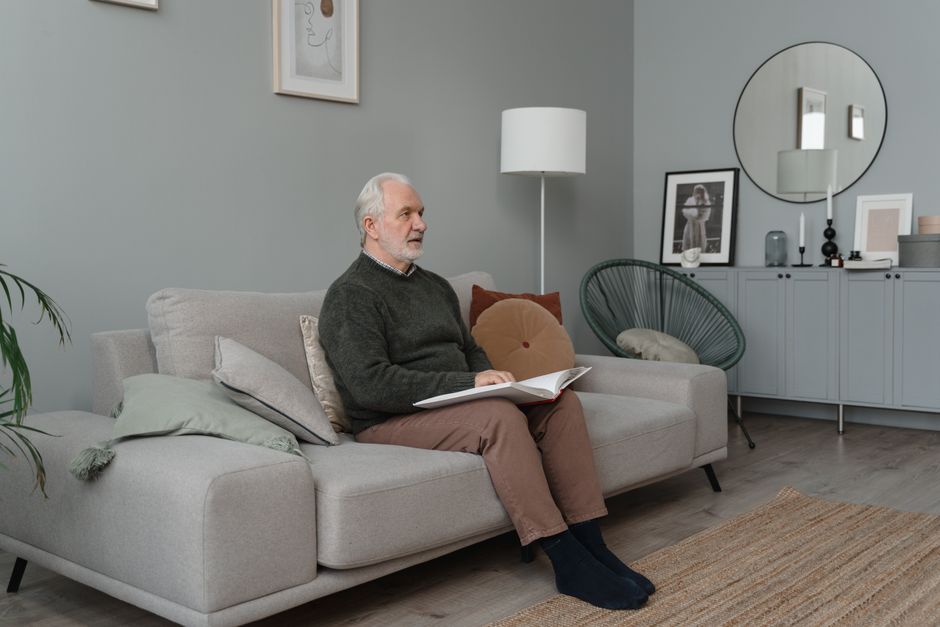
Moving into assisted living can provide needed support while also changing familiar routines, surroundings, and responsibilities. For residents in Camp Hill, PA, the transition often feels easier when the new living space reflects personal history, daily habits, and meaningful relationships.
Making assisted living feel like home is not about recreating an entire house. It is about preserving identity, choice, comfort, and connection in a setting designed for safety and support.
What helps assisted living feel more like home?
A familiar room arrangement, personal belongings, predictable routines, and opportunities for privacy can make a major difference. Residents tend to adjust more comfortably when their new space feels recognizable and their daily choices remain respected.
A move often involves downsizing, so each item should have a purpose. Useful belongings may include:
- Favorite photographs and framed artwork
- A familiar reading chair or small side table
- Quilts, blankets, or pillows with personal meaning
- A preferred lamp that provides comfortable lighting
- Books, puzzles, music, or craft supplies
- A wall calendar, clock, or other familiar household object
- Small keepsakes connected to family, work, faith, travel, or hobbies
The goal is not to fill the room. A few meaningful objects may provide more comfort than many decorative items.
How can a resident’s room be arranged for familiarity and safety?
The room should support both independence and easy movement. Furniture placement matters because crowded walkways, loose rugs, and poorly positioned cords can increase fall risks.
Before unpacking everything, consider how the resident normally uses a room. If reading in a chair is part of the evening routine, place the chair near appropriate lighting. If the resident likes to keep a glass of water, tissues, or a book nearby, use a stable table that is easy to reach.
Helpful arrangements may include:
- Keeping the main walking path clear
- Placing frequently used items within comfortable reach
- Using lamps or night-lights to reduce dark areas
- Avoiding unsecured mats and loose electrical cords
- Marking drawers or storage areas with words or pictures when helpful
- Positioning familiar photographs where they can be seen from the bed or chair
Any changes should account for mobility devices, staff access, emergency procedures, and the resident’s care plan. Safety adjustments should not make the room feel institutional or remove more independence than necessary.
Which personal items are most valuable after a move?
The most valuable items are usually those connected to a person’s routines and memories, not necessarily the most expensive possessions. A familiar coffee mug, favorite radio, recipe box, or collection of greeting cards may be more comforting than formal décor.
Some residents benefit from a “memory area” containing several recognizable objects. This might include wedding photographs, military memorabilia, family pictures, artwork made by grandchildren, or souvenirs from important events.
Personal belongings can also help staff and other residents learn more about the individual. A display of gardening tools, musical interests, sports photographs, or travel keepsakes can create natural conversation.
Valuables and irreplaceable heirlooms should be handled thoughtfully. Items that are fragile, difficult to replace, or emotionally significant may be better photographed and stored safely rather than placed in a busy living environment.
How can families support the transition without taking over?
Families can help by listening first and making changes gradually. Moving into assisted living may involve grief, relief, frustration, or uncertainty at the same time. A resident may appreciate assistance while still wanting control over personal decisions.
Instead of deciding how a room should look, family members can ask:
- Which chair should come with you?
- What do you want to see first when you wake up?
- Which activities should remain part of your week?
- What should be stored nearby?
- Which possessions are most important to display?
Visits are often more useful when they include ordinary activities rather than only discussions about care. Reading together, sorting photographs, listening to familiar music, folding laundry, or sharing a snack can make the new setting feel less like a temporary placement and more like part of everyday life.
Families should also avoid changing the room repeatedly without involving the resident. Too many adjustments can make it harder to establish a sense of ownership.
Why do routines matter so much?
Predictable routines help residents know what to expect and preserve a sense of control. A consistent morning routine, regular meal preferences, familiar bedtime habits, and planned social time can make a new environment easier to understand.
A routine does not need to be rigid. It may include waking at a preferred time, having tea in the afternoon, watching a favorite type of program, calling family on certain days, or taking a brief walk when weather permits.
Seasonal conditions in Camp Hill can affect routines. Cold winter temperatures, snow, ice, and shorter daylight hours may limit outdoor activity, while warmer months may create more opportunities for time outside. Indoor alternatives, such as stretching, visiting common areas, gardening activities, or looking through family albums, can help maintain structure during unpleasant weather.
How can residents maintain privacy and independence?
Feeling at home requires more than attractive furnishings. Residents also need control over personal space, visitors, schedules, clothing, and everyday decisions whenever possible.
Simple supports can protect independence:
- Use a sign or agreed signal to show when privacy is preferred.
- Keep clothing and personal items organized in a consistent way.
- Allow extra time for residents to complete tasks independently.
- Offer choices rather than giving instructions for every activity.
- Respect preferences about lighting, noise, television, and room temperature.
- Ask before moving personal belongings.
Support should be adjusted to the resident’s abilities. Doing everything for someone may appear efficient, but it can unintentionally reduce confidence and participation. Assistance is often most respectful when it helps a person do as much as safely possible.
What can help a resident who has memory loss feel settled?
People living with memory loss may benefit from visual cues, familiar objects, and simple room layouts. A clearly visible bathroom, labeled drawers, family photographs, and consistent furniture placement can reduce confusion.
It may help to use recognizable pictures or words on doors and storage areas. A large clock and calendar can provide basic orientation, although they may not work equally well for everyone.
Approach matters as much as décor. Calm voices, short explanations, and familiar routines are usually more helpful than repeated corrections. If a resident becomes distressed, reducing noise, offering reassurance, and redirecting attention to a familiar activity may be more effective than arguing about details.
A room should reflect the resident’s current abilities rather than only the person’s past preferences. For example, a once-loved collection may become overwhelming if it creates clutter or confusion.
How can the wider community feel more familiar?
A sense of home can extend beyond a private room. Residents may feel more settled when they have regular opportunities to participate in shared activities, maintain relationships, and make small contributions.
Meaningful involvement could include helping set tables, caring for a plant, joining a reading group, attending a faith-based activity, playing cards, or sharing a lifelong skill. Participation should be voluntary and suited to the resident’s interests.
Local family members may find it helpful to plan visits around the resident’s energy level rather than using the same schedule every time. A short, calm visit may be more enjoyable than a long gathering, especially after a busy day.
The strongest signs that assisted living is beginning to feel like home are often subtle: a resident chooses where to sit, keeps favorite items nearby, recognizes familiar faces, follows a preferred routine, or begins inviting others into personal activities. Those signs reflect comfort, belonging, and continued identity—not simply adjustment to a new building.
